
Do I need a permit to rent a dumpster in Pittsburgh?
It depends on where the container sits. If your roll-off dumpster rental stays entirely on your own driveway or lot, Pittsburgh doesn't require a right-of-way permit for it. The moment any part of it sits on the street, the sidewalk, or a parking lane, City Code Title Four, Article I, Chapter 416 kicks in. Section 416.01 says a permit must be obtained from the Director before anyone places an obstruction in the public right of way, full stop. A lot of homeowners doing a home renovation porta potty and dumpster combo assume driveway placement is automatic. It usually is the easier path, and it's worth confirming with your contractor before the truck shows up. For construction projects big enough to need a 10 yard dumpster rental or larger, curb placement is common enough that you should plan for the permit step from day one, and a standard 44 by 48 inch portable toilet placed alongside it on the same lot needs no such review.
What is the dumpster permit called in Pittsburgh, and what does it cost?
For demolition work, the named permit is the Construction Staging Permit, Demolition Dumpster work type. It's a distinct track from the Furnishing Plan Review that DOMI requires for non-demolition temporary objects in the right of way, which also requires naming the City as additional insured. Here's how the fees break down, all pulled from the DOMI information sheet:
| Fee item | Amount |
|---|---|
| Base fee at application | $135 |
| Issuance fee | $60 |
| Extension fee | $40 |
| Major obstruction fee (permits over 18 days) | $280 |
| Primary road / business district fee | $30 per two weeks |
On top of city fees, if your spot is metered you'll need to contact the Pittsburgh Parking Authority separately and pay meter fees. None of that is optional if the dumpster sits in a metered lane. Compare that to the container rental itself: a dumpster rental cost for a standard container runs in the range most crews expect for weekly use, and permit costs stack on top, not instead of.
Where should the dumpster actually sit?
DOMI's own guidance says a demolition dumpster should be located in a parking lane whenever possible. That's not a suggestion born of convenience, it's because Pittsburgh's density means a lot of properties don't have a driveway wide enough to take a container without blocking a sidewalk. Once the permit is issued, it has to be attached to the dumpster facing the sidewalk, and it has to stay legible for the life of the job. A No Parking sign that comes with the permit must go up at least 48 hours before the permit period starts, so you can't schedule delivery and posting for the same morning. If you're weighing a 20 yard dumpster rental against a 30 yard dumpster rental, remember both need about 60 feet of straight clearance behind the delivery truck, so lane placement and clearance planning go together.
Do I need a permit for a dumpster on the street in other cities too?
Yes, this isn't a Pittsburgh quirk. A dumpster permit for street placement is standard in most cities with any traffic management program: a Jersey City dumpster permit process and a City of Chicago dumpster permit process both follow the same basic shape, an application, a fee, and an obstruction review, even though the specific fee schedules and dumpster permit application forms differ city to city. If you're used to renting containers in a different market, don't assume the city of Chicago dumpster permit numbers or the Jersey City dumpster permit numbers apply here. Pittsburgh's fee structure, the 42-day placement window, and the parking-lane preference are specific to the City of Pittsburgh dumpster permit process under Chapter 416.
Why does Pittsburgh care this much about where a dumpster sits?
Because the terrain leaves less room to work with than it looks like on a map, and Pittsburgh sees about 44.1 inches of snow a year on average, which narrows curb space further in winter months. Pittsburgh has a dedicated H Hillside zoning district, a Landslide Prone Overlay, and an Undermined Area Overlay reflecting historic coal mining beneath parts of the city. In several neighborhoods, including stretches of the South Side Slopes, Oakland, Greenfield, the Hill District, and Troy Hill, the legal frontage of a property is a public staircase rather than a driveable street. The City's own Citywide Steps Assessment counts more than 800 sets of city steps containing over 45,000 individual steps, and it treats those steps as part of the right-of-way network. If your address is one of them, a roll-off truck can't reach it from the street it's numbered on, and that changes the whole planning conversation before you even think about dumpster sizes and dimensions or what cannot go in a dumpster.
Are there rules about weight limits and bridges?
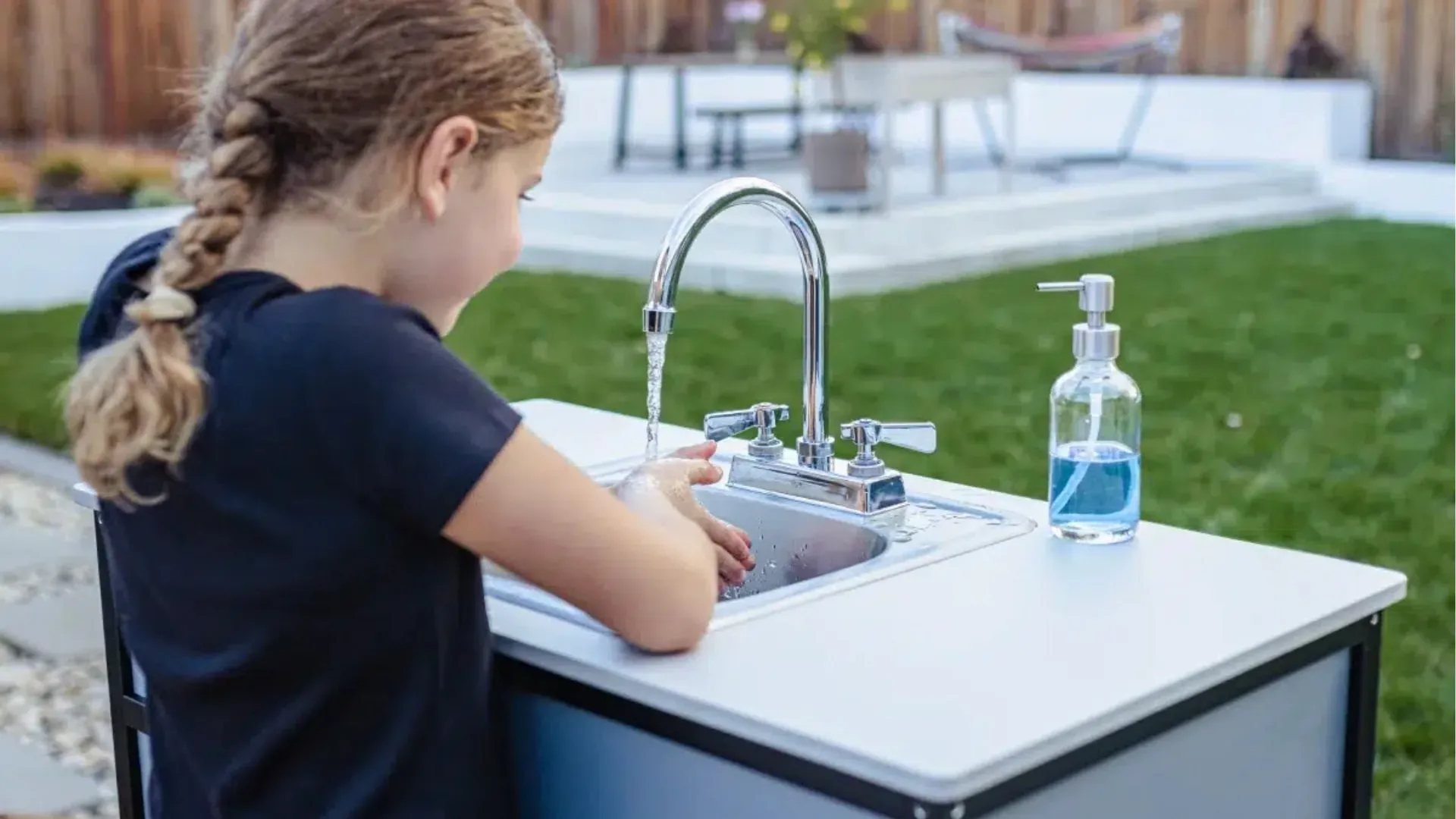
Yes. Pittsburgh owns 143 active bridges connecting 90 distinct neighborhoods, and the posted weight limits on those bridges are legally enforceable, not suggestions. A loaded 40 yard dumpster rental is heavy, and if your delivery route crosses a weight-restricted bridge, that route needs checking before the truck rolls. This matters more for construction dumpster rental jobs with multiple exchanges over weeks than for a single weekend cleanout. See dumpster weight limits for the load side of this question, and pair a curbside container with a handwashing station rental if the crew is coating or stripping anything, since OSHA 1926.51(f)(1) requires washing facilities where employees apply paints, coatings, herbicides or insecticides. It's also worth noting there's a moratorium on permanent sidewalk and street restoration from November 1 through March 31, so any curb cuts or restoration work tied to your dumpster placement in that window gets coordinated differently, sometimes with steel plating that has to work around snow plowing.
Does the permit apply to porta potties too?
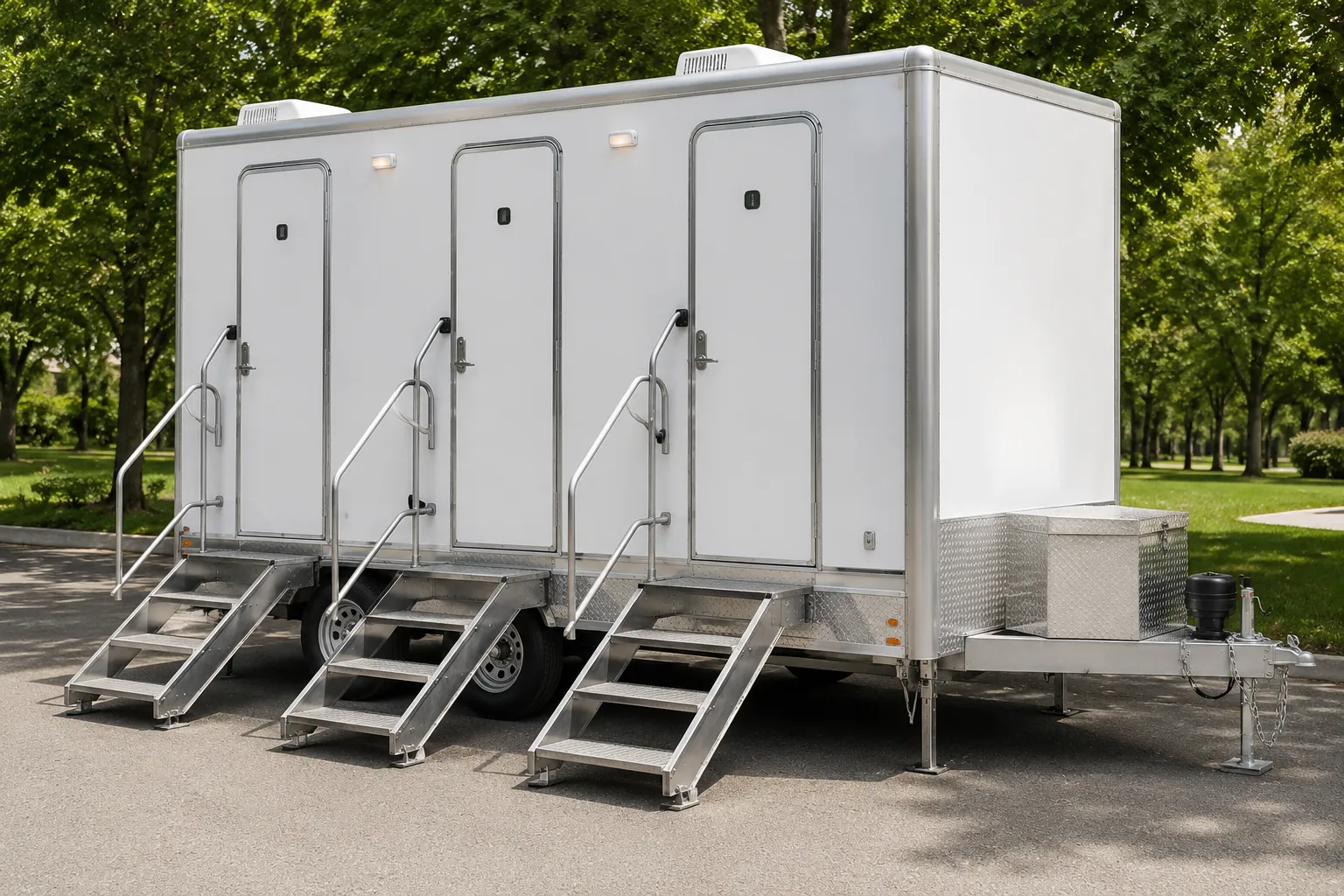
Not clearly, no. A standalone portable toilet placed in the right of way is still an obstruction under Section 416.01, so a permit from the Director is technically required, but no specific DOMI permit type is named for portable toilets the way the Demolition Dumpster type is named for containers. If you're placing a unit from portable toilet rental or porta john rental at the curb rather than on private property, confirm placement with DOMI directly rather than assuming the dumpster process applies. See porta potty permit requirements for more.
How many demolition permits does Pittsburgh issue in a year?
In 2025, the City issued 139 demolition permits out of 9,158 total permits citywide, according to City of Pittsburgh permit data, a year in which total declared project value across all permits reached over 1.6 billion dollars. Each demolition permit maps directly to a Construction Staging Permit, Demolition Dumpster work type, so that 139 figure is a reasonable proxy for how many dumpster-specific right-of-way permits the demolition side alone generates in a typical year.
Can I extend my dumpster permit past 42 days?
Yes, through the $40 extension fee listed on the DOMI information sheet. The base permit window is 42 days, and if your project runs long, you apply for the extension before the original permit lapses. Leaving a dumpster in the right of way after the permit expires exposes the permittee to citation and fines, so track your end date.
Do I need to pay parking meters if my dumpster sits in a metered space?
Yes. If the dumpster occupies a metered spot, you have to contact the Pittsburgh Parking Authority separately from the DOMI permit and pay the meter fees for the occupied period. This is on top of, not instead of, the base and issuance fees. Factor it into your total cost alongside your dumpster rental cost estimate.
What happens if I skip the permit and just put the dumpster on the street?
You risk citation and fines, and DOMI can require the obstruction removed. Section 416.02(a) lets the Director deny or pull a permit where the obstruction would interfere with traffic flow or threaten public safety, which means an unpermitted dumpster has no protection if it blocks a lane or sidewalk. It's cheaper to apply upfront than to fight a fine after the fact.
Does a small cleanout dumpster need the same permit as a demolition project?
Not necessarily. The named Construction Staging Permit, Demolition Dumpster work type applies to demolition jobs specifically. Non-demolition placements, like a short-term container for a renovation cleanout, fall under DOMI's Furnishing Plan Review process for temporary objects in the right of way instead, which carries its own insurance requirement. Check with DOMI which track fits your job before assuming either applies by default, and if the job also needs sanitation, a septic pumping service crew can service a holding tank on the same visit.
Should I request a permit before or after scheduling delivery?
Before. The No Parking sign that comes with your permit must be posted at least 48 hours before the permit period starts, and DOMI needs processing time on top of that. Schedule your roll-off dumpster rental delivery date only after the permit is approved and the sign is up, or you risk a delivery with nowhere legal to place the container. Start the process through request a quote or check porta potty rental checklist for a general planning sequence, then confirm final permit status directly with DOMI.
Next step
Get a delivery date
Tell us the address, the dates and the headcount. We size the order and confirm the route.