
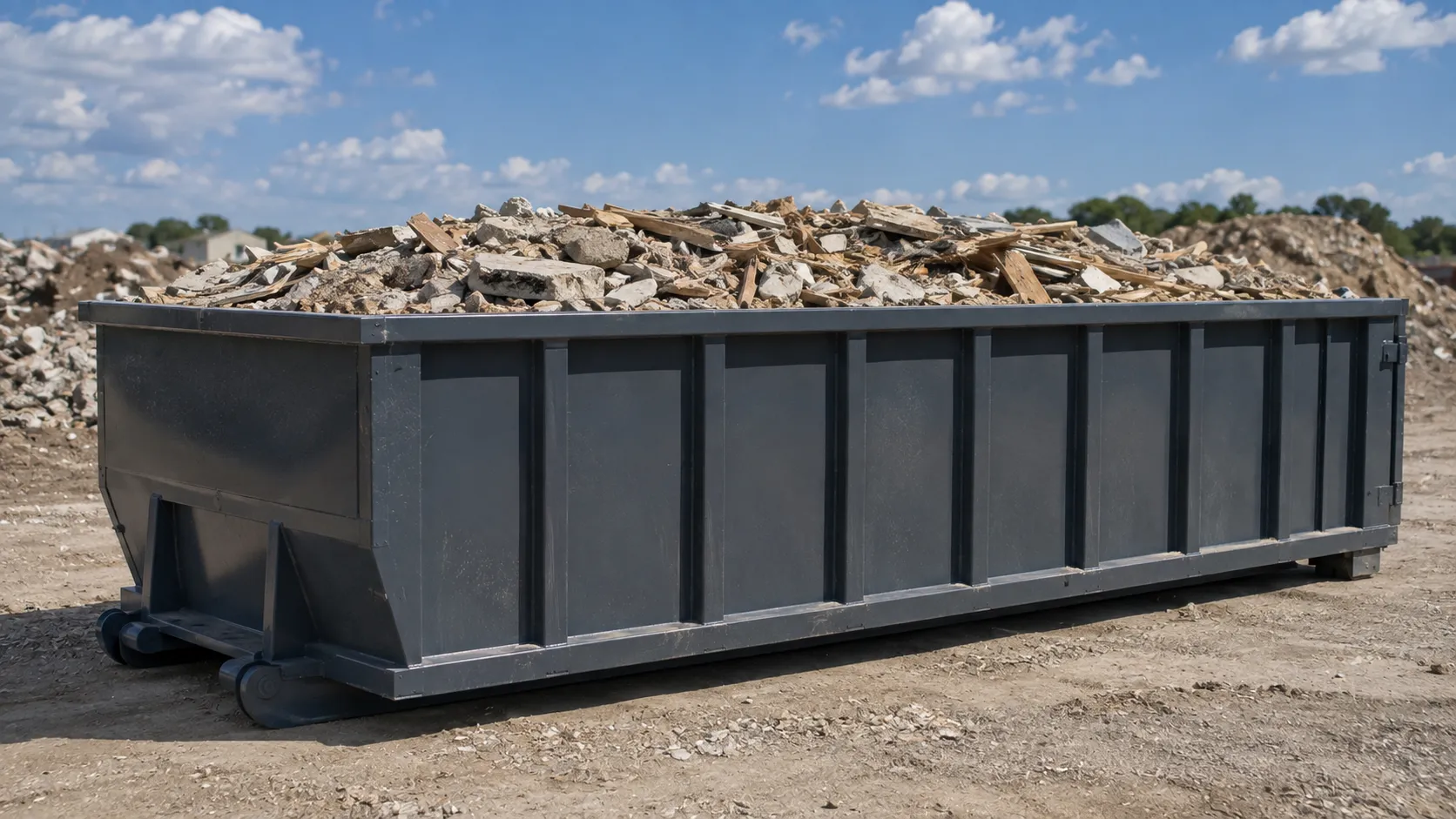
Weight limits are not arbitrary. Trucks have axle ratings, landfills weigh every load, and a container built for yard waste sags fast under shingles or concrete. If you're new to this whole process, start with roll-off dumpster rental for the full rundown, then come back here for the numbers that actually decide your bill.
How Many Tons Does a 20 Yard Dumpster Hold?
A 20 yard dumpster generally holds 2 to 3 tons before you hit the weight cap most haulers set. That's fine for a garage cleanout or a small reno, but drywall, tile and roofing debris are dense and will fill your tonnage long before the box looks full. Check dumpster sizes and dimensions if you're not sure this is even the right container.
People also ask how much does a 20 yard dumpster weigh empty. The steel box itself, empty, weighs roughly 2 to 3 tons on its own, which matters because the truck has to carry both the container and your debris, and that combined weight is what the driver is watching on the way to the scale. For pure volume jobs like furniture or general junk, a 20 yard is often plenty. If you're doing a heavier tear-out in Pittsburgh, especially in an Oakland-area renovation near the ongoing UPMC and Pitt construction corridor, size up before you order. Pricing for this size sits in the dumpster rental cost guide, and daily and weekly bands are broken out in the 10 yard dumpster rental and 20 yard dumpster rental pages.
How Many Tons Does a 30 Yard Dumpster Hold?
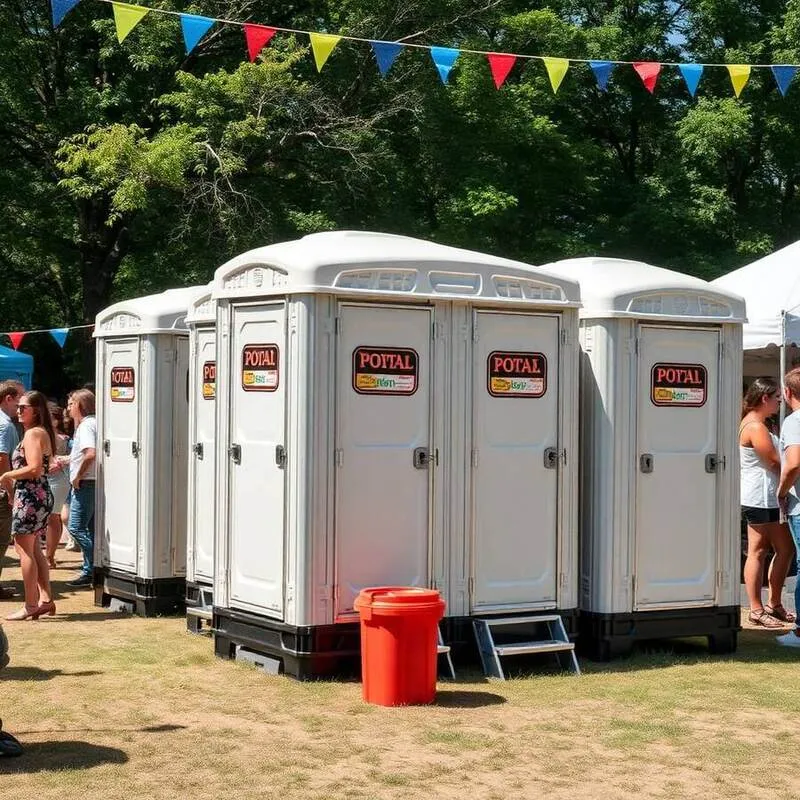
A 30 yard dumpster carries about 3 to 4 tons of mixed debris. That's the workhorse size for whole-house cleanouts, roofing tear-offs, and mid-size demolition. How many tons can a 30 yard dumpster hold really comes down to material density: a full load of insulation and lumber might barely touch 2 tons, while the same volume in brick or concrete slams into the cap fast. See 30 yard dumpster rental for what fits and what doesn't, and what cannot go in a dumpster before you load anything questionable, since certain materials get flagged or rejected at the landfill regardless of weight.
How Many Tons Does a 40 Yard Dumpster Hold?
A 40 yard dumpster generally caps around 4 to 5 tons. It's built for volume, not density, so it's the right call for bulky low-weight loads like framing lumber, cabinetry, or a full commercial cleanout, not for a load of dirt or masonry. Full specs live on 40 yard dumpster rental. If your project is generating both bulk and heavy debris, splitting it across two smaller containers can actually save money versus one overloaded 40 yard box; the construction dumpster rental page walks through that math for job sites.
| size | typical weight limit | day | week | month |
|---|---|---|---|---|
| 10-20 yard | 2 to 3 tons | $51 to $112 | $426 to $778 | $500 to $500 |
| 30 yard | 3 to 4 tons | $51 to $112 | $426 to $778 | $500 to $500 |
| 40 yard | 4 to 5 tons | $51 to $112 | $426 to $778 | $500 to $500 |
Prices above reflect the measured range across dumpster rentals generally; exact quotes depend on size, weight allowance and how long you keep the container. Weekend rates run $390 to $497 for shorter jobs. The dumpster rental cost page breaks these down further by size and duration.
Why Do Weight Limits Matter in Pittsburgh Specifically?
Pittsburgh's terrain and permitting rules make weight limits more than a landfill formality here. If your dumpster sits in the public right of way, City Code 416.01 requires a permit from DOMI, the Department of Mobility and Infrastructure, before anything obstructing the street or sidewalk goes down. For demolition work, that's the Construction Staging Permit, Demolition Dumpster type, filed through OneStopPGH, and it explicitly names weight and placement as part of the review. Full detail is on dumpster permit requirements and construction dumpster rental.
There's also a physical reason weight matters locally. Pittsburgh has more than 800 sets of public steps citywide, some serving as the legal frontage for a property instead of a driveable street, according to the city's own Citywide Steps Assessment. On those blocks, a fully loaded dumpster can't always be placed where you'd expect, and hillside zoning districts plus the city's Landslide Prone Overlay add another layer of constraint on where a heavy container can sit. The city also owns 143 active bridges with posted, legally enforceable weight limits, which matters if your hauler's route to the site crosses one. None of this shows up on a national weight chart, but it shapes where your box can go and how it gets there.
If you're near Pittsburgh but outside the core, distance affects delivery timing more than weight. Mount Lebanon sits 7.0 miles southwest, Shaler is 8.2 miles north, and Monroeville is 14.3 miles east; delivery fees and scheduling for those areas are covered under service areas.
Do Overage Fees Apply If I Go Over the Weight Limit?
Yes. Nearly every hauler charges a per-ton overage fee once you exceed the container's rated limit, and it's usually cheaper to order the next size up than to guess wrong. If you're not sure what your project will generate, how many porta potties do I need has a sister-logic sizing approach you can apply to debris volume too, but for dumpsters specifically, talk through the job with whoever delivers it.
What Counts as Heavy Debris for Weight Limit Purposes?
Concrete, brick, dirt, roofing shingles and tile are the usual culprits that blow past a weight limit fast, even in a container that looks half empty. Lighter bulky debris, furniture, cardboard, drywall scraps, rarely hits the cap. Check what cannot go in a dumpster since some heavy materials, like certain electronics or hazardous items, aren't just a weight problem, they're outright banned regardless of tonnage.
Does a 20 Yard Dumpster Cost Less Than a 30 Yard If I Don't Need the Weight?
Not always. Size and weight allowance both factor into price, so a 20 yard box rented for a month runs close to the $500 ceiling while a 30 yard in the same window can land in a similar range. It depends more on duration and delivery fee than pure volume. Compare exact bands on dumpster rental cost before booking.
How Do I Know Which Size Fits My Weight Needs?
Start with the heaviest material in your pile, not the total volume. A truckload of shingles needs a smaller box with a higher weight tolerance built in, while a garage full of boxes needs volume more than tonnage. The dumpster sizes and dimensions guide walks through both angles side by side.
Can I Split a Heavy Job Across Two Smaller Dumpsters Instead of One Large One?
Yes, and it's sometimes cheaper. Two 20 yard containers swapped out mid-project can beat the overage fees on one overloaded 40 yard box, especially for demolition work. Talk to construction site services about swap scheduling if your job runs long.
Is There a Weight Limit Difference Between Residential and Construction Dumpsters?
Not by container size, but by what goes in them. Construction debris tends to be denser, concrete, brick, tile, so those jobs hit weight caps faster than a residential cleanout of the same box size. See construction dumpster rental for load planning specific to job sites.
Does the Weight Limit Change for a Weekend Rental Versus a Week?
No, the weight cap is tied to the container size, not the rental length. A weekend rental in the $390 to $497 range carries the same tonnage limit as a full week at $426 to $778. Duration affects price, not capacity. Full breakdown on dumpster rental cost.
What Happens If My Dumpster Sits in the Right of Way in Pittsburgh?
You need a permit first. Under City Code 416.01, any obstruction in Pittsburgh's public right of way requires a permit from DOMI before placement, and for demolition dumpsters that means the Construction Staging Permit filed through OneStopPGH, which also allows placement for up to 42 days. Details are on dumpster permit requirements.
Next step
Get a delivery date
Tell us the address, the dates and the headcount. We size the order and confirm the route.