
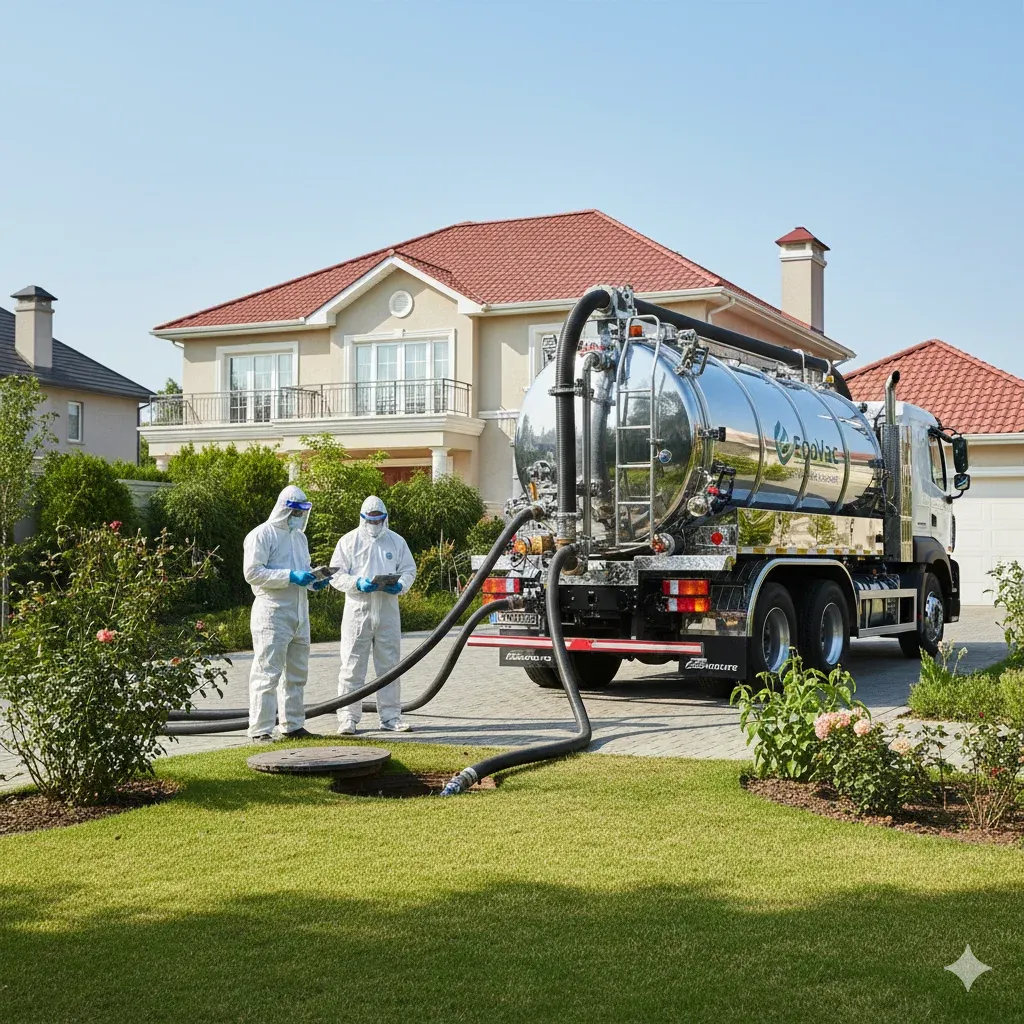
Pittsburgh Porta Pros handles septic tank cleaning across the city and into the surrounding boroughs, from a rowhouse on the South Side Slopes to a farmhouse out past North Huntingdon. If you are searching "septic tank cleaning near me" because something already smells wrong, jump to the emergency septic service section below. If you are planning ahead, keep reading. This page covers what cleaning actually involves, what it costs, how often to do it, and what Pennsylvania rules mean for anyone with a holding tank instead of a conventional system.
What does septic tank cleaning actually involve?
A cleaning out means a truck pumps the tank down to bare walls, not just skims the top. The crew opens the access lid, pumps liquid and sludge, checks the baffles, and often hoses the interior so nothing hardens on the walls before the next fill cycle. A straightforward residential tank might run 150 to 300 dollars for the visit, matching the septic tank pumping cost range we quote across most of Pittsburgh, though older tanks with limited access or heavy solids can push toward the top of that band; most residential tanks in this size class hold in the range that gets pumped down through a standard 60 to 70 gallon service setup per visit.
Cleaning is different from a quick pump, and the baseline service interval industry standard ANSI/PSAI Z4.3 sets for portable sanitation, one visit per week for routine use, is a useful comparison for why a septic tank on a multi-year cycle needs a fuller job each time. Pumping removes liquid and floating scum fast. A full cleaning also addresses the sludge layer at the bottom, which is the part most homeowners forget is even there. If you have never had a true cleaning, not just a pump-and-go, that is usually why the tank fills up faster than the manual says it should.
Some tanks also have an effluent filter sitting at the outlet baffle. Cleaning the septic tank filter is a five-minute job for a technician already on site, but it matters. A clogged filter is one of the most common reasons a system backs up between scheduled pumpings, and it is worth asking your provider to check it every visit, not just when things go wrong. If your property does not have a conventional septic system at all and instead uses a holding tank, see our holding tank rental page, because holding tanks fill and need pumping on a completely different schedule.
How often should septic tank cleaning happen?
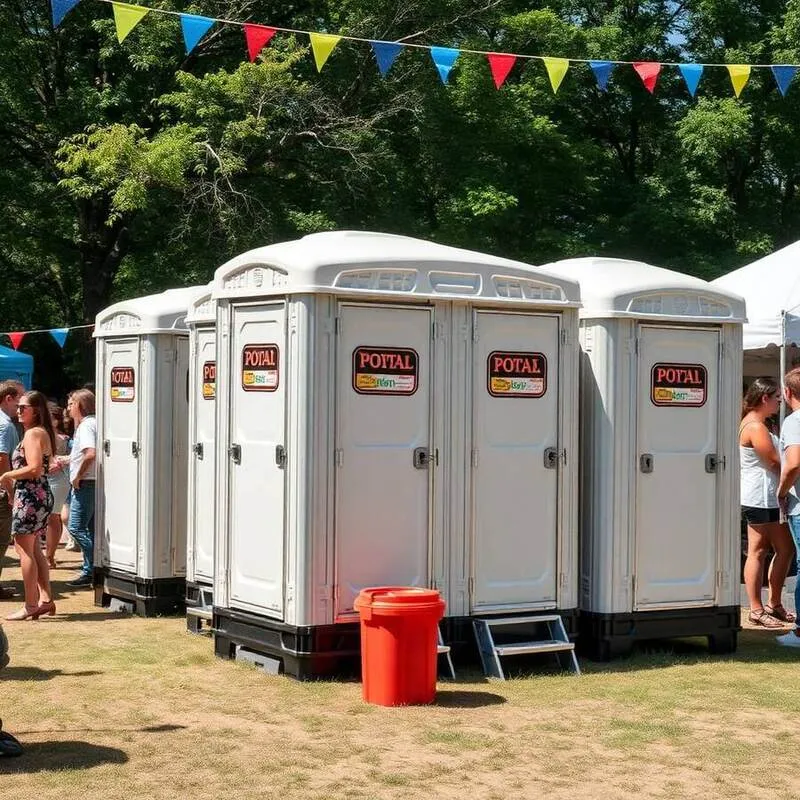
Most residential tanks need cleaning every 3 to 5 years, and the right interval depends on tank size and household size rather than a fixed calendar date. A family of six generating daily laundry, dishwasher and shower loads will fill a tank faster than a couple living in the same size house, the same way a construction crew of 20 or fewer workers needs only one toilet facility under OSHA 1926.51(c)(1) while a larger crew needs more. For the full breakdown on sizing your interval to your household, see how often to pump a septic tank.
Waiting past the interval is where problems start. Solids that should stay in the tank start moving into the drain field, and a drain field failure costs far more to fix than a pumping visit ever does. If you are noticing slow drains, gurgling pipes or standing water near the tank, do not wait for the next scheduled cleaning. Read septic tank warning signs and call sooner.
Pittsburgh's climate does not make winter servicing optional. NOAA climate normals for Pittsburgh International Airport show about 113.6 days a year at or below freezing and 44.1 inches of average annual snowfall, so a tank that needs attention in January still needs attention in January. Trucks can still reach most properties, though a driveway buried in snow or a hillside lot in the Undermined Area Overlay zone can slow things down. If your property sits on one of Pittsburgh's hillside streets, especially in neighborhoods like the South Side Slopes, Oakland, Greenfield, the Hill District or Troy Hill where the city's Citywide Steps Assessment documents more than 800 sets of public steps, tell us when you book. In some of these neighborhoods the legal frontage of a property is a staircase, not a driveable street, which changes how a truck stages the job.
What does septic tank cleaning cost in Pittsburgh?
| Service | Typical range |
|---|---|
| Septic tank pumping, day rate | 150 to 300 dollars |
| Septic tank pumping, weekend rate | 50 to 150 dollars |
| Grease trap or interceptor pumping | Priced separately, see below |
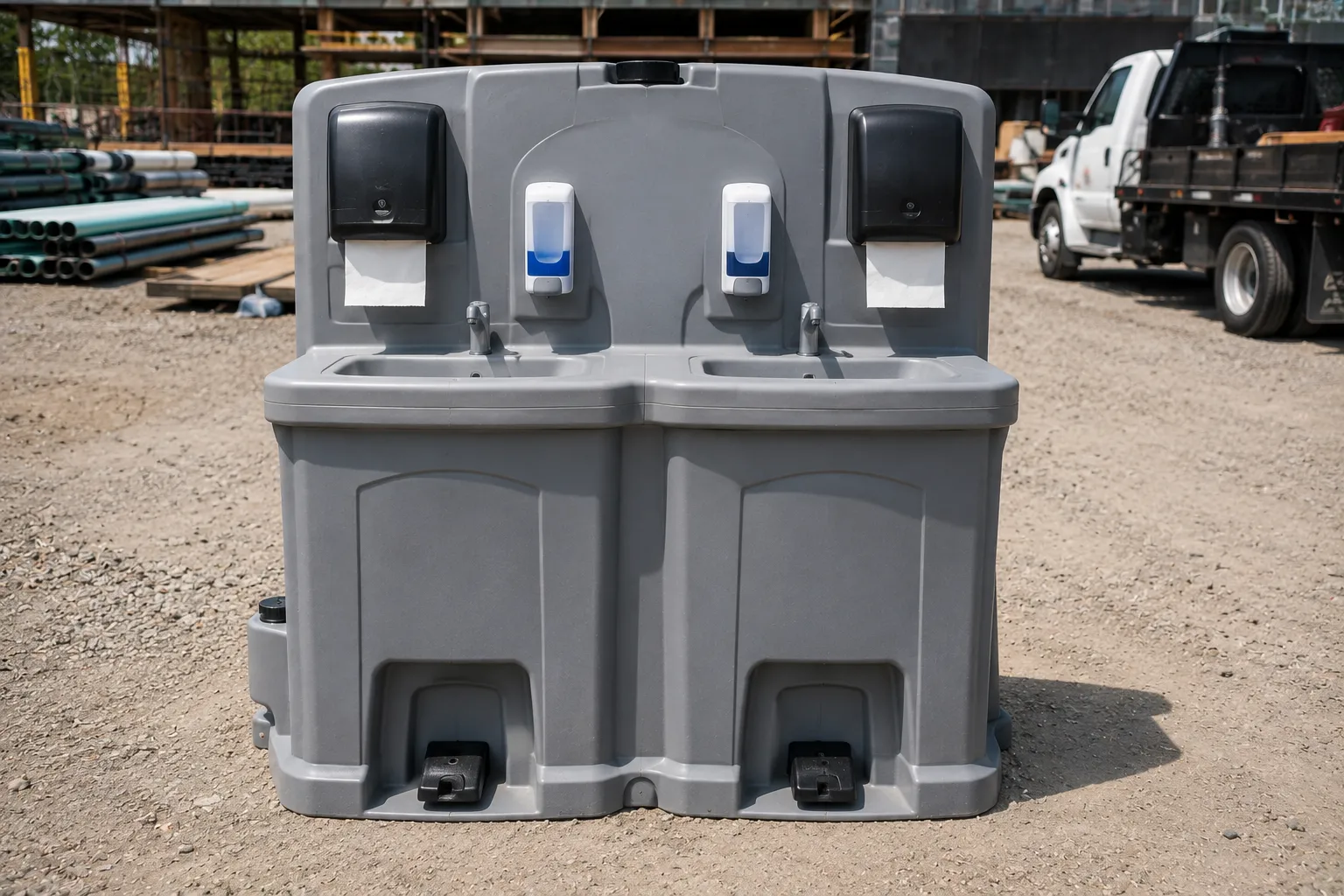
These are day-of-service ranges, not flat quotes; exact pricing depends on tank size, access, and how much sludge has built up since the last visit, similar to how a roll-off dumpster rental needs about 60 feet of straight clearance behind the truck to stage safely. For a deeper look at what drives the number up or down, see septic tank pumping cost and septic tank cleaning prices for comparisons against tank pumping alone.
If you run a restaurant or commercial kitchen, grease is a separate problem from sewage. A grease interceptor should be pumped once fats, oils, grease and solids reach 25 percent of the liquid depth, which is a measurable line, not a guess. See grease trap pumping for that schedule.
Do I need a permit for a holding tank in Pennsylvania?
Yes, if you are installing or maintaining a retaining tank in Pennsylvania, which includes holding tanks, privies and chemical toilets under Chapter 71 of state code. An applicant proposing a retaining tank has to name the proposed tank cleaner and the disposal site, which is exactly why your septic contractor needs to be able to state where the waste goes, not just that it gets picked up. Pittsburgh Porta Pros can speak to disposal points directly when you book. At the state level, septage and residential land application fall under Pennsylvania DEP's Bureau of Clean Water, governed by Title 25 Pa. Code Chapter 271 Subchapter J, with the general permit PAG-09 covering beneficial use of residential septage by land application.
None of that is a homeowner's problem to manage directly, but it explains why a legitimate operator can answer disposal questions on the spot and a fly-by-night one cannot, the same way OSHA 1926.51(a)(1) requires an adequate supply of potable water on any job site regardless of who is asking.
Where does the waste actually go?
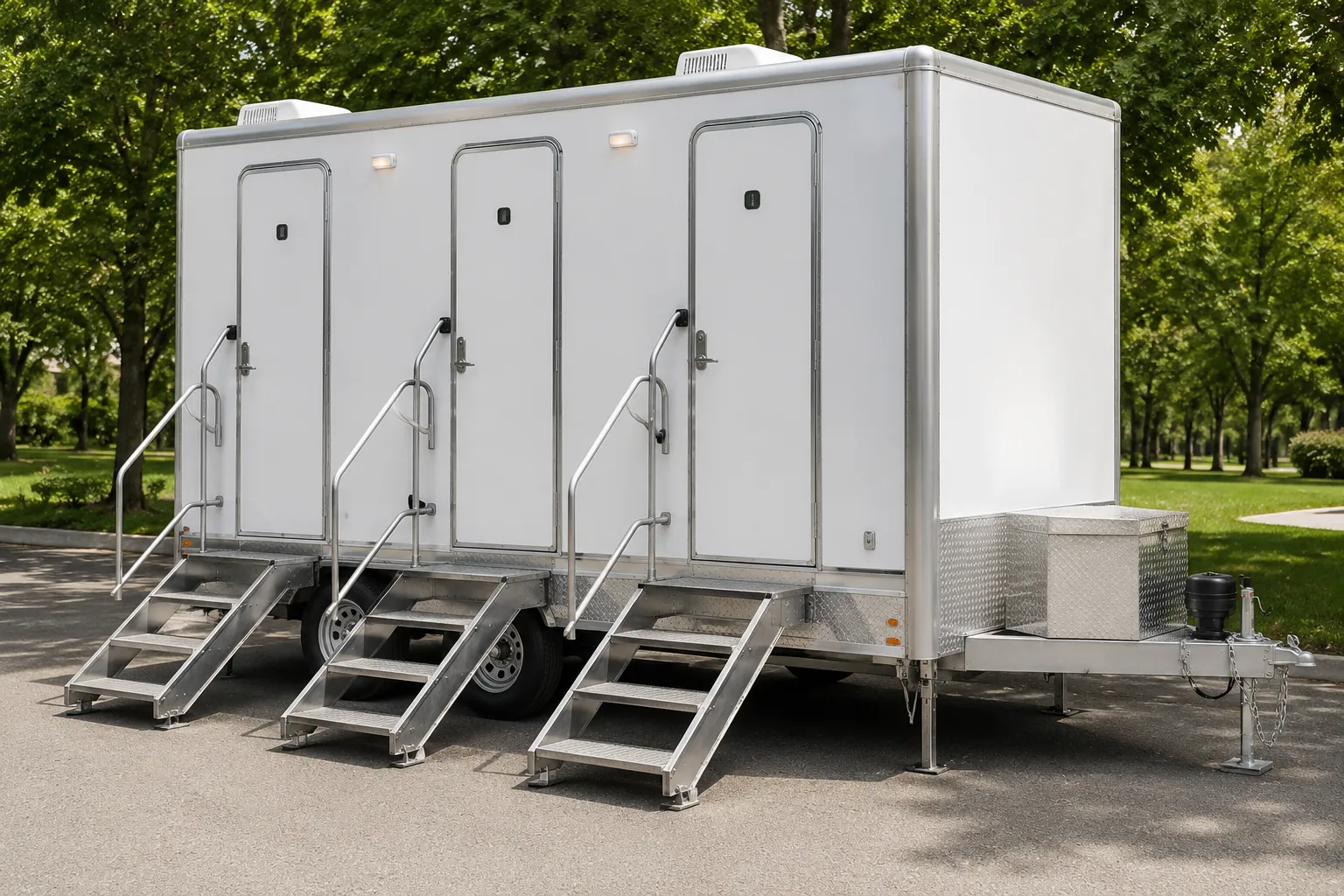
Allegheny County's 2019 Municipal Solid Waste Management Plan names four disposal facilities in the county: Imperial, Kelly Run Sanitation, Monroeville and South Hills, with Imperial and Monroeville together handling close to 700,000 tons of waste annually. That figure is a few years old, so current operating status should be confirmed before naming a specific site as active today, but it gives a sense of scale for how much the region processes. The Allegheny County Health Department's Solid Waste Division inspects roughly 40 facilities and about 400 solid waste vehicles each year, which is the oversight layer sitting above every truck doing this work.
Does Pittsburgh Porta Pros handle more than septic?
Yes. Most of our septic customers are also managing a renovation, a farm property or an event, and the sanitation needs overlap. If you are gutting a kitchen or bathroom, pair septic service with a home renovation porta potty rather than making the crew walk into the house. Farm properties often need both septic and standalone facilities; see farm and agricultural restrooms for that setup. If you are clearing out a property during a renovation, a 10 yard dumpster rental or 20 yard dumpster rental usually goes out alongside the septic truck. For larger construction jobs across Pittsburgh, our construction site services page covers the full lineup, and OSHA's construction sanitation rule, 1926.51(c)(1), sets toilet ratios starting at one facility for 20 workers or fewer, which is worth knowing if you are staffing a job site rather than servicing a single house.
We also cover the boroughs around the city. Mount Lebanon sits about 7.0 miles southwest of Pittsburgh, Shaler about 8.2 miles north, Ross 8.8 miles northwest, Bethel Park 11.3 miles south, and McCandless about 12.0 miles north, and we run septic and portable sanitation routes through all of them. See service areas for the full list, or jump straight to porta potty rental in Mount Lebanon, porta potty rental in Shaler or porta potty rental in Bethel Park if you are outside city limits.
How often does septic tank cleaning need to happen?
Every 3 to 5 years for most residential tanks, driven by tank size and household size rather than a fixed schedule. A larger household producing more daily wastewater will need cleaning closer to the 3 year mark. Track your last service date and watch for warning signs between visits rather than guessing.
What is the difference between septic pumping and septic cleaning?
Pumping removes liquid and floating scum from the tank. A full cleaning also breaks up and removes the sludge layer at the bottom, which pumping alone can leave behind. Ask specifically for a cleaning, not just a pump, if it has been several years since the last full service.
How much does septic tank cleaning cost near Pittsburgh?
Day-rate septic service typically runs 150 to 300 dollars, with weekend service in the 50 to 150 dollar range depending on scope. Exact cost depends on tank size, sludge buildup and site access. See septic tank pumping cost for a full pricing breakdown.
Can a septic truck reach my property in winter?
Usually, yes, but Pittsburgh averages 44.1 inches of snow and 113.6 days at or below freezing a year, so a snowed-in driveway or a hillside lot can slow access. Tell us about steep grades or steps-only frontage when you book. See porta potty in winter for related seasonal notes.
Do I need a permit to have a holding tank serviced?
Retaining tanks, including holding tanks, privies and chemical toilets, fall under Pennsylvania Chapter 71, which requires naming the tank cleaner and disposal site when the tank is installed. As the property owner scheduling routine cleaning, you are not filing permits yourself, but your contractor should be able to state where waste is disposed. See holding tank rental for more.
What is a septic tank filter and does it need cleaning?
Many tanks have an effluent filter at the outlet baffle that catches solids before they reach the drain field. It should be checked and cleaned during every pumping visit. A clogged filter is a common cause of backups between scheduled services, so ask your technician to inspect it every time.
Next step
Get a delivery date
Tell us the address, the dates and the headcount. We size the order and confirm the route.